Ocala Home Buyer's Guide: A to Z
Buying a home in Ocala is a major financial decision with distinctly local considerations. The strongest starting point is a realistic monthly budget, lender pre-approval, and a clear way to compare homes beyond the asking price. This Ocala home buyer's guide explains the local market snapshot, ownership-cost planning, area selection, property search, offer strategy, and the steps from contract to closing.
First-time buyers and relocators can use it to make informed decisions while accounting for Ocala's mix of established homes, newer communities, acreage, and luxury properties.
Ocala Real Estate by the Numbers
The 2026 figures show a market with real selection for buyers and continued competition for well-priced homes.
| Metric | Current reading |
|---|---|
| Median sale price, Ocala metro area | $278,450 (down 0.7% year over year) |
| Median days on market | About 75 days (up about 11 days year over year) |
| Months of supply | 5.0 months |
| Active listings | About 5,040 |
| Median listing price (September 2026) | $299,900 |
| Average 30-year fixed mortgage rate (national) | 7.40% as of October 15, 2026, per Freddie Mac |
Ocala metro sale price, days on market, supply, and active listing figures are averages of monthly readings for January to June 2026.
What the Ocala Market Looks Like Right Now
Ocala is a comparatively balanced market, giving buyers more time to compare options while still rewarding prompt, well-supported offers on the right home. Across the first half of 2026, the Ocala metro area averaged a median sale price of $278,450, a median marketing period of about 75 days, and roughly 5.0 months of supply. Only about 8.5% of homes sold above their original list price over that stretch.
Those figures suggest buyers may have more room to evaluate alternatives than in a fast-moving multiple-offer environment. They do not mean every home is negotiable. Properties that are well maintained, accurately priced, located on larger lots, or equipped with desirable features can still draw meaningful attention. Updated homes, pool properties, lower-maintenance communities, and residences with equestrian potential may perform differently from the broader market.
Current conditions call for property-by-property analysis rather than broad assumptions about negotiating leverage. Compare condition, age of major systems, insurance profile, property-tax history, association requirements, and likely maintenance needs with similar available homes. A property that has been listed for several weeks may present different options than a new listing with limited competition.
Browsing the current homes for sale in Ocala shows how lot size, finishes, location, and home age can affect asking prices. Focus on the closest comparable properties and the ownership cost you can comfortably sustain over time.
Is Ocala a Buyer's or Seller's Market Right Now?
- Ocala metro listings averaged about 5,040 active homes in the first half of 2026, giving buyers a broad selection across home types and price points.
- The median marketing period was about 75 days, although correctly priced homes in strong condition can sell faster.
- With about 5.0 months of supply, conditions sit near the middle ground between a buyer's and seller's market rather than firmly on either side.
- Buyers entering today should be prepared to compare comparable homes carefully, confirm full monthly costs, and tailor offer terms to the individual property.
Step 1: Set a Realistic Budget Before You Search
A realistic Ocala purchase budget includes the complete monthly ownership cost, not only the mortgage payment. Start with a payment amount that leaves room for existing debt, emergency savings, retirement contributions, transportation, routine maintenance, and everyday expenses.
Your planning figure should include principal and interest, property taxes, homeowners insurance, mortgage insurance when applicable, association dues, utilities, and upkeep. In Marion County, property taxes depend on taxable value, available exemptions, and the taxing district, so two similarly priced homes can carry different annual tax bills. Keep in mind that the seller's current tax bill may reflect a homestead exemption and years of capped assessments that do not carry over to a new owner. Review the property's current tax record and ask how a change in ownership could affect future taxes before deciding that a home fits your budget.
Insurance deserves equal attention in Florida. Premiums can change based on roof age, construction features, deductible choices, claims history, and insurer underwriting. Request property-specific insurance estimates before making a final affordability decision, particularly for older homes, homes with pools, acreage properties, or residences with prior updates that need documentation.
Broad affordability rules are only a starting screen. A lender may approve a payment that meets debt-to-income guidelines but leaves too little room for savings, maintenance, or insurance changes. Pre-qualification is an initial estimate based largely on self-reported information. Pre-approval involves a more detailed lender review of your financial documentation.
Running a few scenarios through an affordability calculator can help you compare purchase prices, down payments, and projected mortgage payments before narrowing your search.
Monthly Cost Breakdown by Price Point in Ocala
The figures below illustrate principal and interest using a 20% down payment and a 30-year fixed rate of 7.40%. Property taxes, insurance, and the final all-in monthly cost must be calculated for the specific property because taxable value, exemptions, construction details, roof condition, and insurance underwriting vary.
| Price point | Purchase price | Estimated principal and interest | Property tax | Insurance | Total estimated monthly cost |
|---|---|---|---|---|---|
| Entry-level | $225,000 | $1,246 | Property-specific | Property-specific | Mortgage payment plus property-specific tax and insurance |
| Median | $278,450 | $1,542 | Property-specific | Property-specific | Mortgage payment plus property-specific tax and insurance |
| Move-up | $400,000 | $2,216 | Property-specific | Property-specific | Mortgage payment plus property-specific tax and insurance |
Mortgage estimates use a 20% down payment and the 7.40% national average 30-year fixed rate reported by Freddie Mac for October 15, 2026. Confirm loan pricing, taxes, insurance, association dues, and lender fees with your lender and the applicable property records before making an offer.
Step 2: Get Pre-Approved Before You Search in Ocala
Pre-approval gives you a clearer buying range and shows sellers that a lender has reviewed your financial profile. Ocala's median marketing period of about 75 days can allow buyers time to compare homes, but a properly priced property with strong condition, useful layout, or desirable lot can still attract attention quickly.
Pre-qualification is usually an early conversation based on information you provide. Pre-approval generally requires a lender to review supporting documents, including pay stubs, W-2s, tax returns, bank statements, identification, employment information, and explanations for major deposits. Self-employed buyers may need business records and additional income documentation. If you have not picked a lender yet, it helps to talk with lenders who regularly close Ocala purchases so you understand local insurance and appraisal timing from the start.
Keep those documents current while you search. Avoid opening new credit accounts, making large purchases, moving significant funds without documentation, or changing jobs before closing unless you have discussed the change with your lender. The Consumer Financial Protection Bureau's homebuying preparation guidance explains the financial records and decisions buyers should organize.
Step 3: Choose the Right Area of Ocala for Your Lifestyle and Budget
Ocala offers several distinct living environments, and the right fit depends on your routine, budget, preferred lot size, and comfort with maintenance. Compare homes with similar condition, size, and features rather than treating every part of the city as one price bracket. A broader look at life in Ocala can help relocators get oriented before narrowing down neighborhoods.
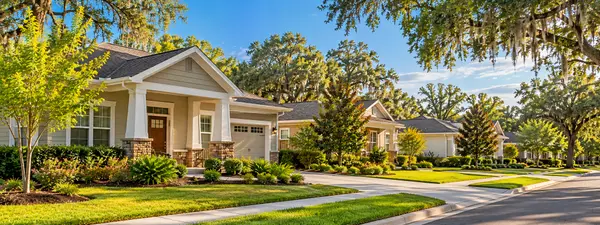
Historic and in-town Ocala can suit buyers who value established streets, character homes, and proximity to downtown businesses, dining, and events. Housing ages and renovation quality vary, so review roof and system updates, parking, drainage, lot layout, and ongoing maintenance needs. This setting can appeal to first-time buyers and relocators who prioritize central access.
Southwest Ocala includes established neighborhoods, newer development, retail access, and community-oriented housing choices. It may work well for buyers seeking newer floor plans, everyday conveniences, and a range of home sizes. Review association fees, rules, amenities, insurance estimates, and exterior-maintenance responsibilities alongside the asking price.
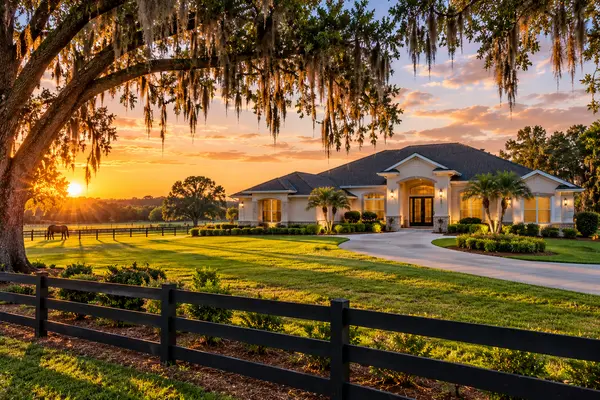
Northwest Ocala and the surrounding horse country of Marion County may fit buyers looking for acreage, privacy, luxury homes, barns, or room for equestrian use. These properties call for close attention to land usability, fencing, drainage, access roads, wells, septic systems, and outbuildings. Acreage alone does not establish whether a property supports a particular use, so it is worth knowing what separates a working Ocala horse farm from a pretty one before you start touring.
Low-maintenance and age-targeted communities can appeal to buyers who want organized amenities and fewer exterior responsibilities. Review association documents, monthly dues, rental limitations, maintenance obligations, and occupancy rules before submitting an offer.
The right Ocala location is the one that supports your daily needs and long-term costs, not simply the one with the most appealing listing photos.
Step 4: Search Strategically and Evaluate Properties
An effective Ocala property search starts with clear criteria for your maximum payment, preferred location, bedroom count, lot needs, commute tolerance, and features you are willing to update. Set alerts around those priorities, then refine them after touring homes in person.
Use the same checklist at each showing:
- Compare the home's condition with its asking price and similar active properties.
- Review roof age, cooling equipment, windows, drainage, visible moisture, and deferred maintenance.
- Consider road noise, traffic patterns, driveway access, neighboring property conditions, and outdoor usability.
- For acreage, assess fencing, outbuildings, water access, easements, and the practical layout of the land.
- For homes in managed communities, request association documents early and understand rules that affect ownership.
Use listing information through your agent and compare relevant Ocala open houses when available. Touring comparable properties close together can help distinguish genuine value from cosmetic appeal and make tradeoffs easier to identify. If your search reaches into the upper price tiers, reviewing current Ocala luxury homes side by side makes it easier to see which features are driving price.
Step 5: Make a Competitive Offer in Ocala
A competitive Ocala offer matches the property's market position while protecting the terms that matter to you. Sellers evaluate more than price. Financing strength, earnest money, requested dates, contract clarity, and the likelihood of a smooth closing can all influence the decision.
Start by reviewing the home's time on market, condition, comparable alternatives, and recent price changes. A newly listed property with limited competition may call for a cleaner offer and a faster response. A home that has been available longer may create room to negotiate price, seller-paid costs, personal property, or a closing date that benefits both parties.
Earnest money is negotiated in the contract. Choose an amount that demonstrates good faith without using funds needed for closing, moving, and early ownership expenses. Escalation clauses can help when competition is clear, but they should include a firm maximum price and a requirement for supporting documentation.
Useful negotiating levers can include flexibility on closing dates, fewer minor repair requests, or a focused request for seller-paid costs when financing permits. The right mix depends on the specific property, your financial position, and the seller's priorities.
Avoid concessions simply to appear aggressive. A strong offer is organized, realistic, and aligned with the home's condition, competition, and your long-term ownership budget.
Worth knowing: The most common offer mistake in Ocala is focusing only on price while overlooking the complete monthly cost. Compare taxes, insurance, association dues, financing terms, and maintenance needs before deciding what a property is worth to you.
Step 6: Inspections, Due Diligence, and Closing in Ocala
After an offer is accepted, the transaction moves into property review, lender coordination, title work, and closing preparation. The schedule depends on the contract, financing, property type, and how quickly all parties provide required documents.
A general home inspection is common. Depending on the home, buyers may also consider roof, wood-destroying organism, sewer, well, septic, pool, structural, or specialist evaluations. Older homes, rural properties, acreage, and homes with outbuildings often need closer review because their systems and maintenance histories can differ from those of a typical subdivision property.
Your contract determines the timeline for property review and any requests that follow. Keep negotiations focused on material findings, documented costs, and terms that meaningfully affect your decision.
Florida closings are commonly coordinated through a title company or closing agent. Who selects the title agent and who pays for the owner's title insurance policy are negotiable points set in your contract, so confirm both before you sign rather than assuming a default.
Buyer closing costs can include lender charges, title-related services, recording fees, prepaid insurance, and prepaid taxes. As a planning range, closing costs commonly run about 2% to 5% of the purchase price, not counting the down payment. Review the Loan Estimate early and the Closing Disclosure before signing.
New Construction vs. Resale Homes in Ocala
| Consideration | New construction | Resale homes |
|---|---|---|
| Price positioning | May include lot premiums, upgrades, and builder incentives | Varies by location, condition, age, and seller motivation |
| Negotiability | Often centers on closing costs, upgrades, or financing incentives | May include price, repairs, closing date, or personal property |
| Property review | Review plans, selections, warranty terms, and completion timing | Review maintenance history, updates, and existing system condition |
| Customization | May allow design selections when timing permits | Changes are generally completed after purchase |
| Move-in timeline | Can range from immediate occupancy to a longer construction schedule | Usually follows the negotiated contract timeline |
| Warranty coverage | Builder and manufacturer warranties may apply | Coverage depends on remaining warranties or optional plans |
| Financing | Builder-affiliated programs may offer incentives, so compare all loan terms | Buyers can compare options among qualified lenders |
Talk Through Your Ocala Search
Rhonda Gailey has been a licensed Florida broker since 1994 and founded Gailey Enterprises Real Estate in Ocala in 2012. She lives on a horse farm in Ocala, and her team works with buyers across entry-level, move-up, luxury, and equestrian price points, along with families relocating to the area.
If you would like a second set of eyes on your budget, preferred property type, or financing prep, call or text 1-352-897-2018, email rhonda@gaileyenterprises.com, or reach out through the contact page.
Frequently Asked Questions: Buying a Home in Ocala
How much do I need for a down payment to buy in Ocala?
Down payment requirements depend on the loan program, lender standards, credit profile, and purchase price. Some programs allow qualified buyers to put down as little as 3%, while many buyers choose a larger amount to reduce their loan balance and monthly payment. Plan separately for closing costs, insurance, moving expenses, and immediate home needs.
How long does it take to buy a home in Ocala from search to close?
The timeline depends on how quickly you find a suitable home and the contract terms you negotiate. In the first half of 2026, the median Ocala metro listing spent about 75 days on market, although that marketing period is separate from the time required to complete a financed purchase after an offer is accepted. A lender and closing agent can provide transaction-specific timing once you have a contract.
Is Ocala a good place to buy a home right now?
Ocala can be a good fit when available homes align with your budget, location priorities, and expected ownership costs. A first-half 2026 median sale price of $278,450 and about 5.0 months of supply support a property-by-property comparison rather than an assumption that every seller will negotiate.
What are closing costs for buyers in Ocala?
Buyer closing costs can include lender fees, title services, recording charges, prepaid insurance, and prepaid property taxes. They commonly run about 2% to 5% of the purchase price, excluding the down payment. Your Loan Estimate provides the transaction-specific figure.
Do I need a buyer's agent in Ocala, and what does it cost?
A buyer's agent can help you compare homes, prepare offers, negotiate terms, coordinate deadlines, and understand local property considerations. Buyers are now commonly asked to sign a written agreement with their agent before touring homes, and that agreement spells out how the agent is paid. Buyer-agent compensation is negotiable and should be discussed clearly before you begin working together, including how it will be handled in the specific transaction.
Recent Posts